CanvAssist
A Canvas companion that brings assignments, rubrics, grades, study materials, and planning into one clearer student workspace.
QUT AI & ML SOCIETY
This is where AIML celebrates its past hackathons. Details of the next hackathon will appear here once announced.
HACKATHON RECAP 01
A build sprint for practical ideas: teams turned everyday student and community challenges into working AI products.
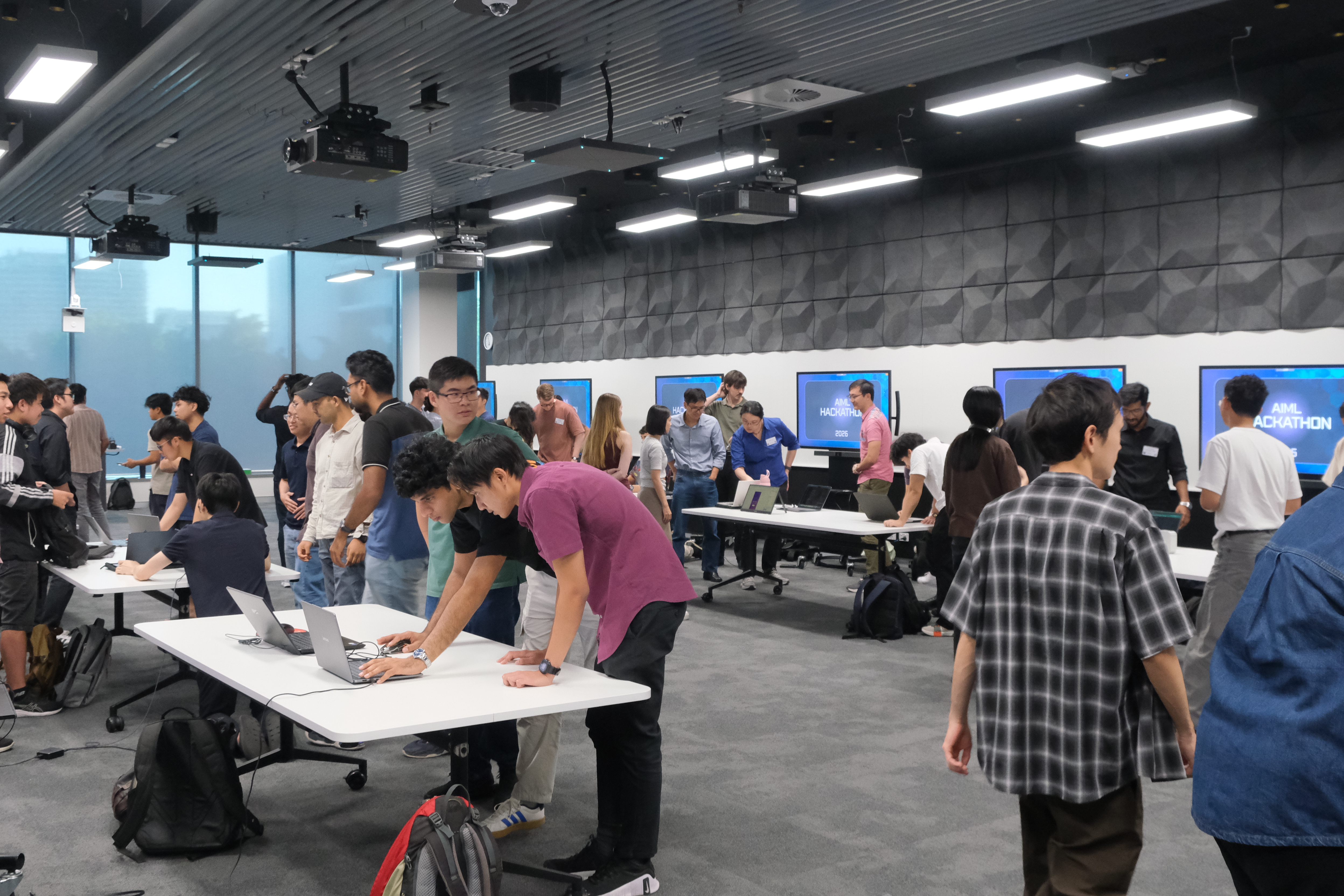
The AIML Hackathon gave teams a few intense days to identify a problem, build a prototype, and pitch a solution with real world potential. The result was a wide range of ideas spanning study support, career planning, accessibility, mobility, and personal productivity.
Projects paired thoughtful user problems with technical experimentation: browser tools that make university information easier to navigate, AI assisted career planning, private local first study companions, and systems designed to make reporting and decision making faster.
What stood out was not only the ambition of the projects, but the way teams turned rough concepts into tangible demonstrations under pressure.
FROM THE BUILD FLOOR
Selected examples from the projects submitted during the hackathon.
A Canvas companion that brings assignments, rubrics, grades, study materials, and planning into one clearer student workspace.
A tool matching academic progress with job requirements to surface skill gaps, next semester choices, and useful learning resources.
An AI second brain for capturing notes, finding connections between ideas, and chatting with a personal knowledge base.
A refuelling planner combining fuel price data, route detours, and short term forecasting to help drivers decide when and where to fill up.
An eye tracking communication prototype with a gaze keyboard and language assisted reply suggestions for hands free interaction.
An AI supported vehicle incident reporting flow that guides photo capture and helps produce a data rich first report.
HACKATHON RECAP 02
A three day hackathon centred on one challenge: disaster response.
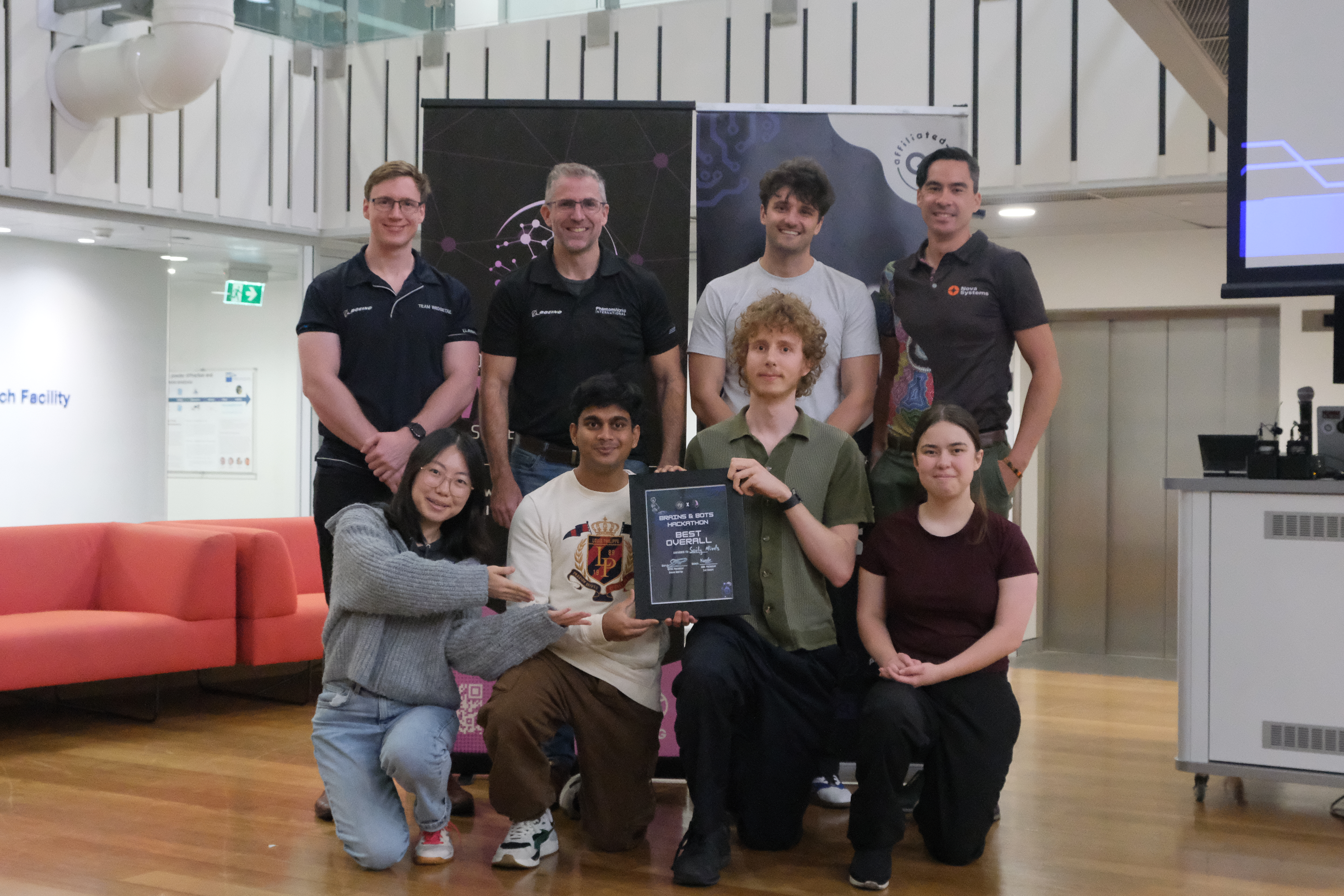
Brains & Bots asked teams to focus on one real world challenge: disaster response. Over three days, teams built and refined prototypes before presenting how their ideas could help in high pressure situations.
Delivered with the QUT Robotics Club, the hackathon brought AI and machine learning together with robotics hardware. The brief encouraged practical systems that could speed up post disaster operations and help responders make faster, better informed decisions.
From early concepts to working demonstrations, teams had to balance technical thinking with the realities of the people and situations their solutions were designed to support.
FEATURED TEAM SOLUTIONS
Six practical approaches to finding people, sharing information, and supporting responders in difficult conditions.
A ground rover concept using camera sensing and AI detection to spot people and wildlife after a fire, while monitoring nearby conditions and obstacles.
A disaster recovery sensor system that brings environmental readings and camera snapshots into a live operator dashboard.
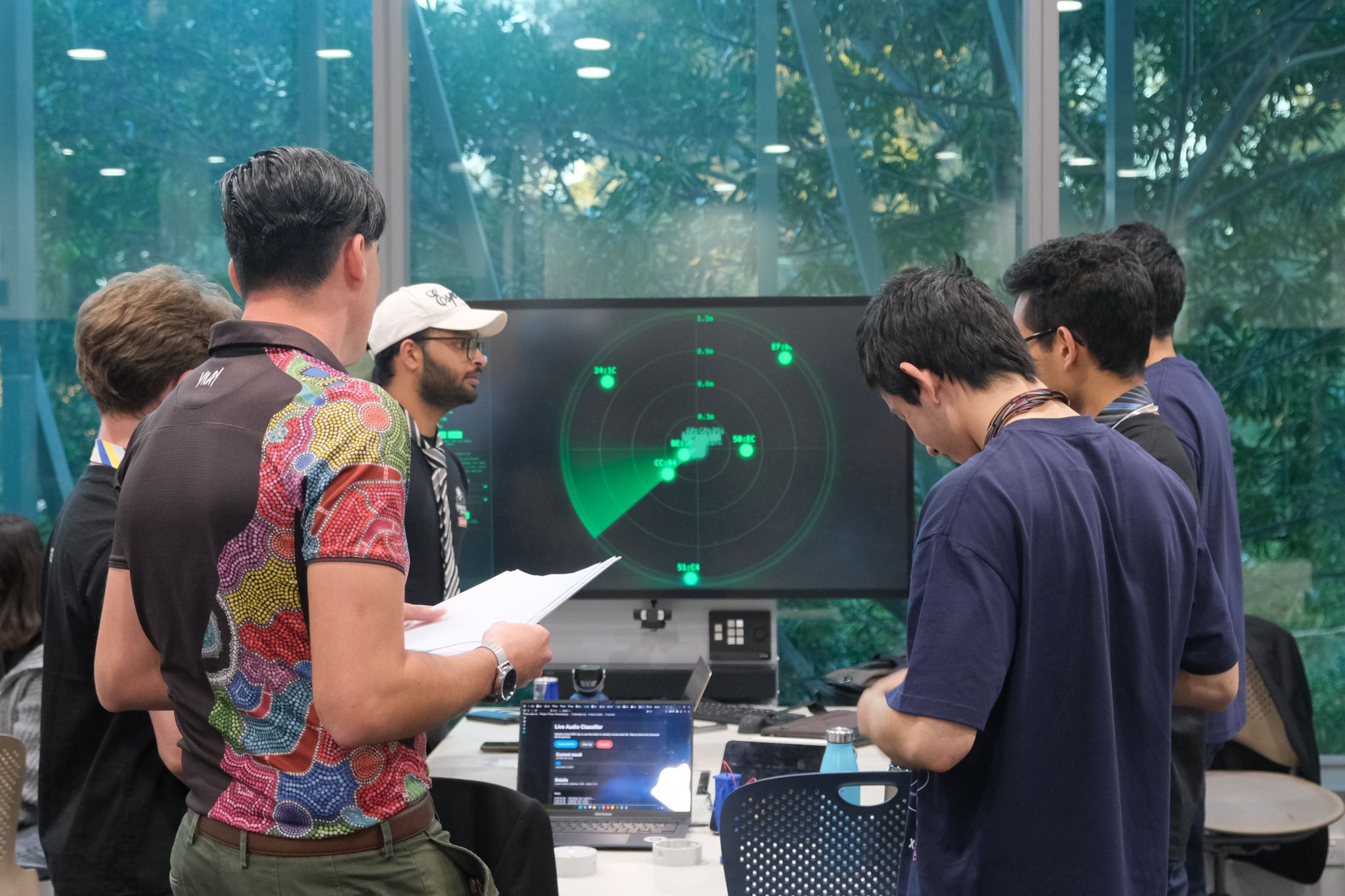
A microphone array concept designed to isolate human sounds, estimate their direction, and guide a robot toward people trapped under rubble.
A robot assisted reporting workflow that combines person detection with voice or gesture responses to send structured information to responders.
A Wi Fi sensing prototype that uses ESP32 channel state information to estimate a person’s likely position and show it on a live heatmap.
A voice guided emergency intake system that captures survivor information, asks follow up questions, and helps organise it for response teams.
THE PHOTO STORY
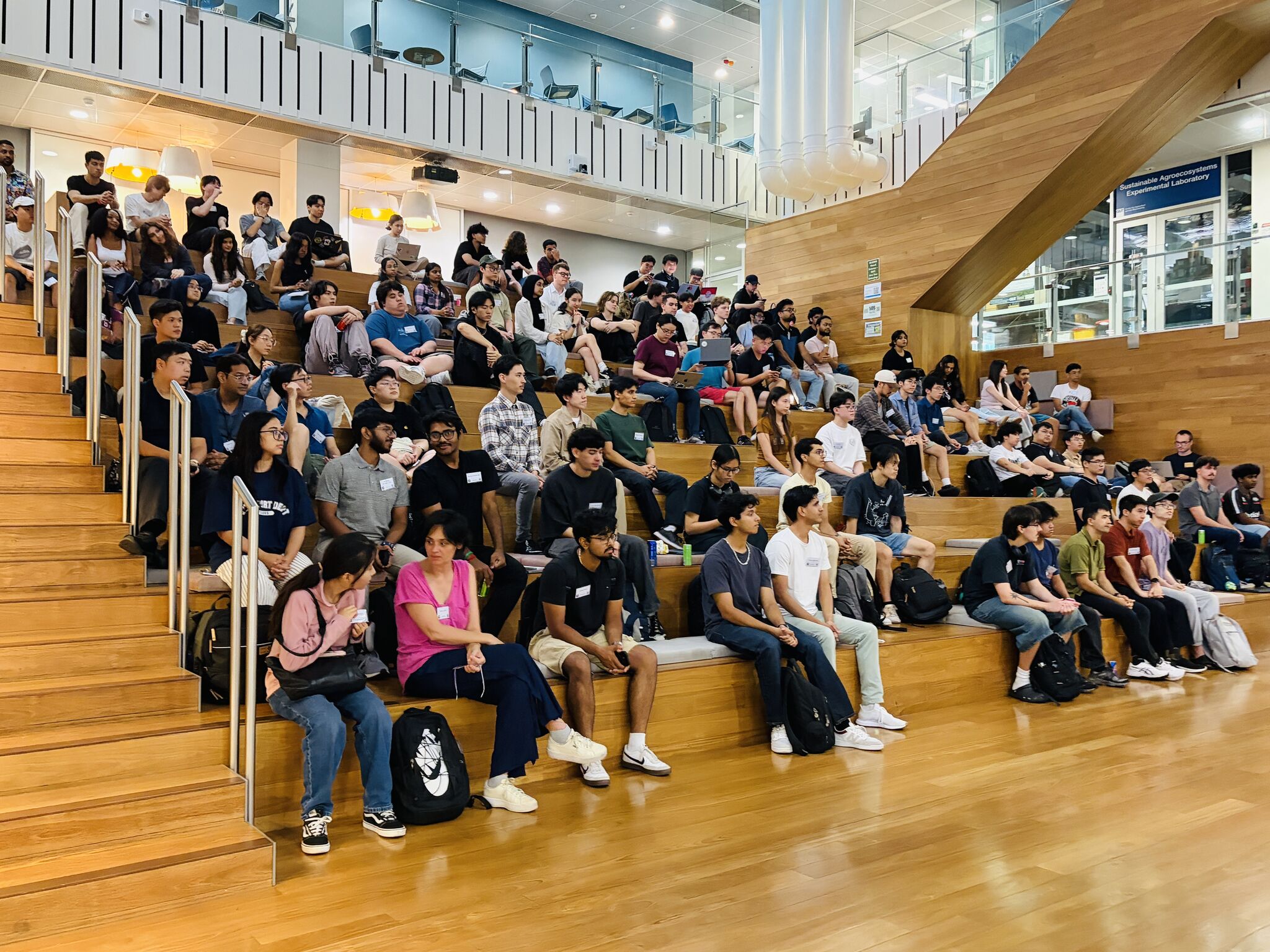
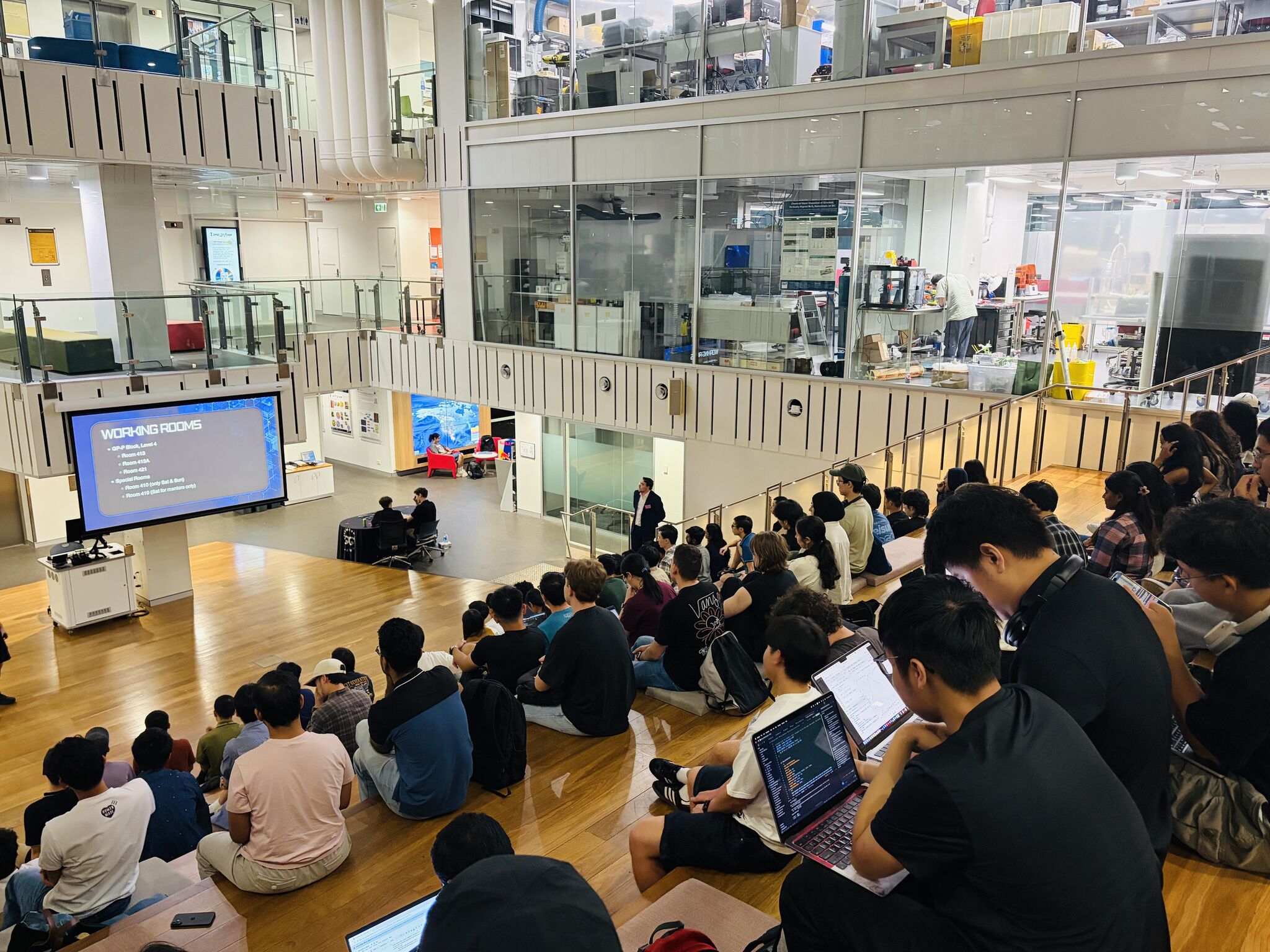
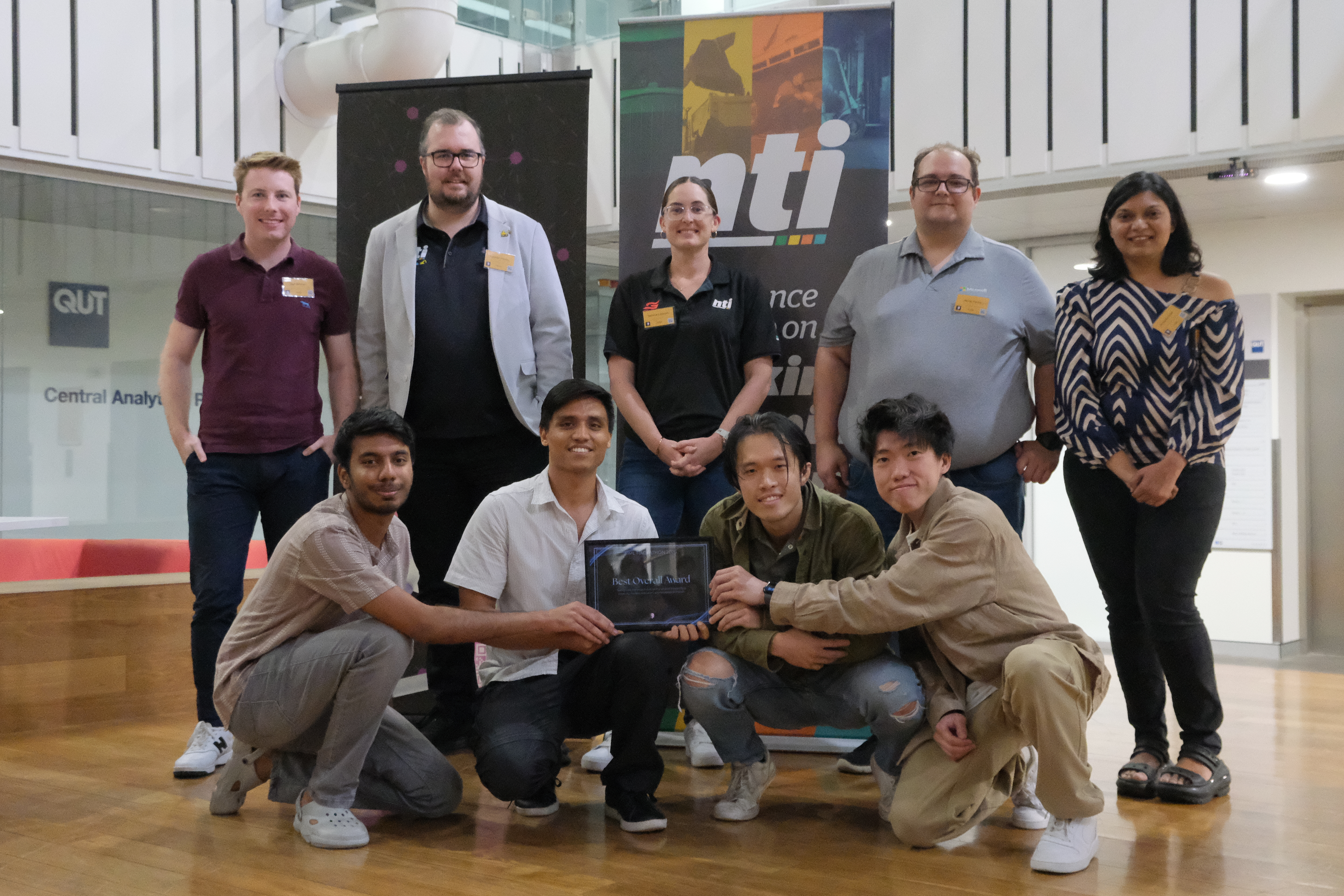
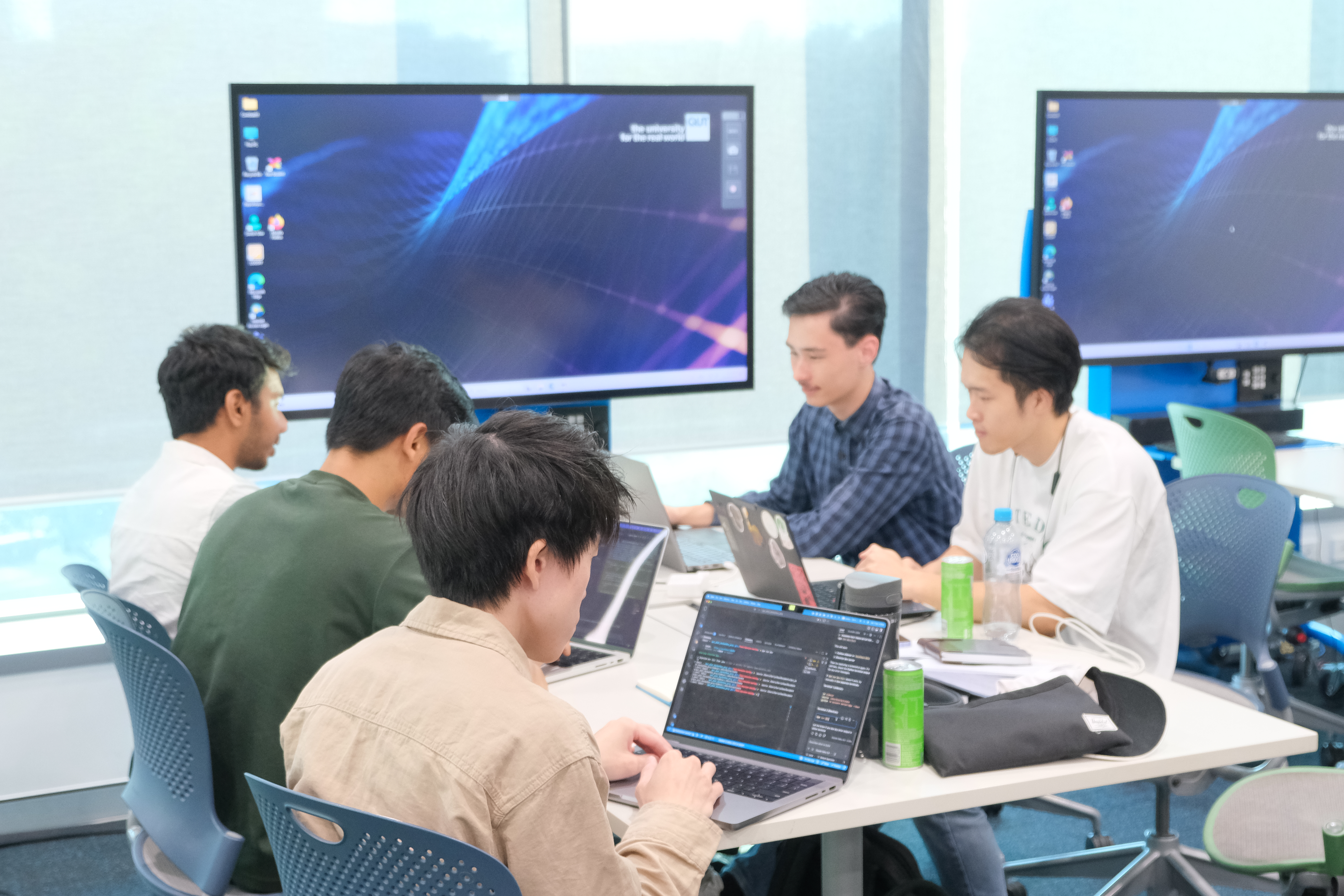
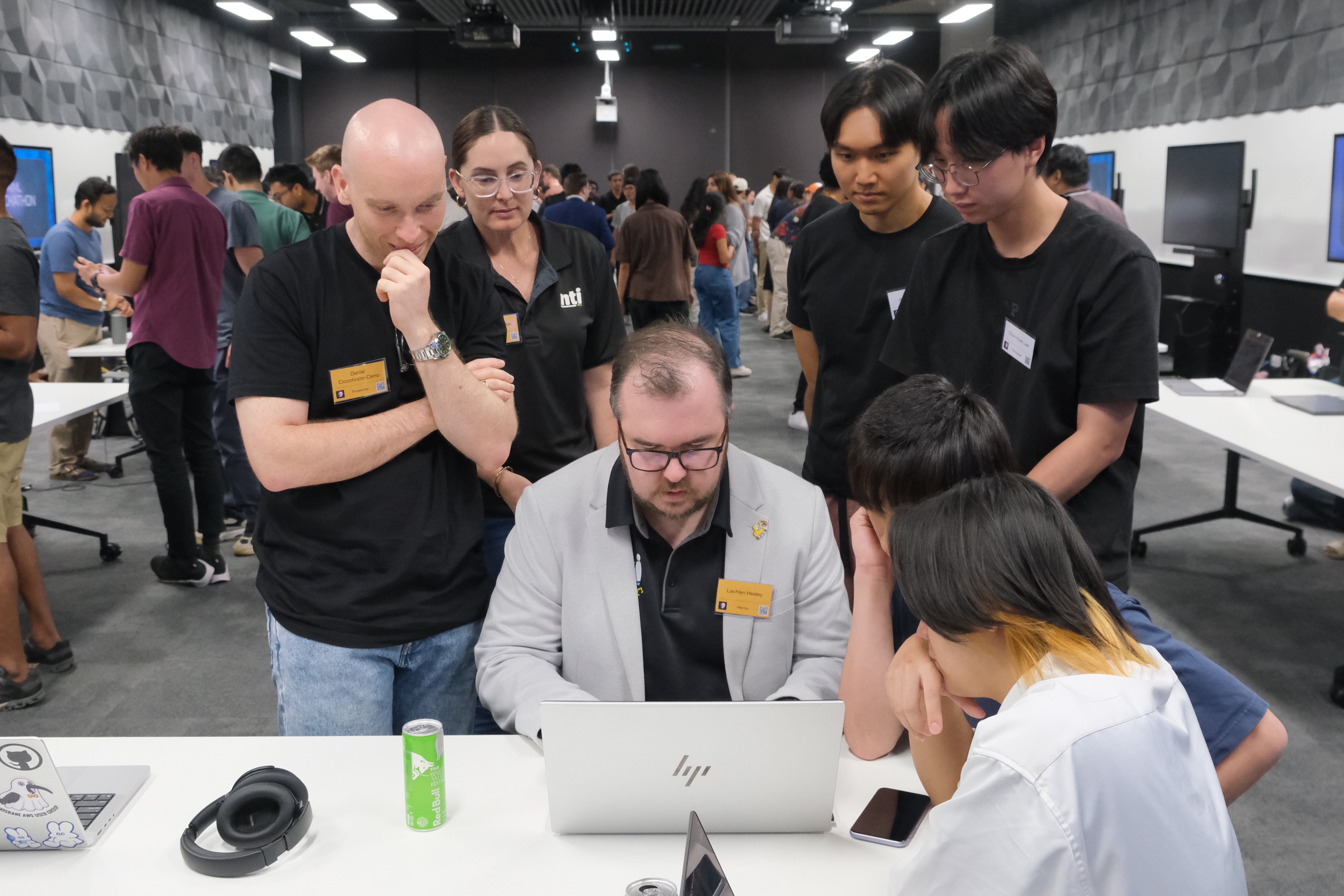
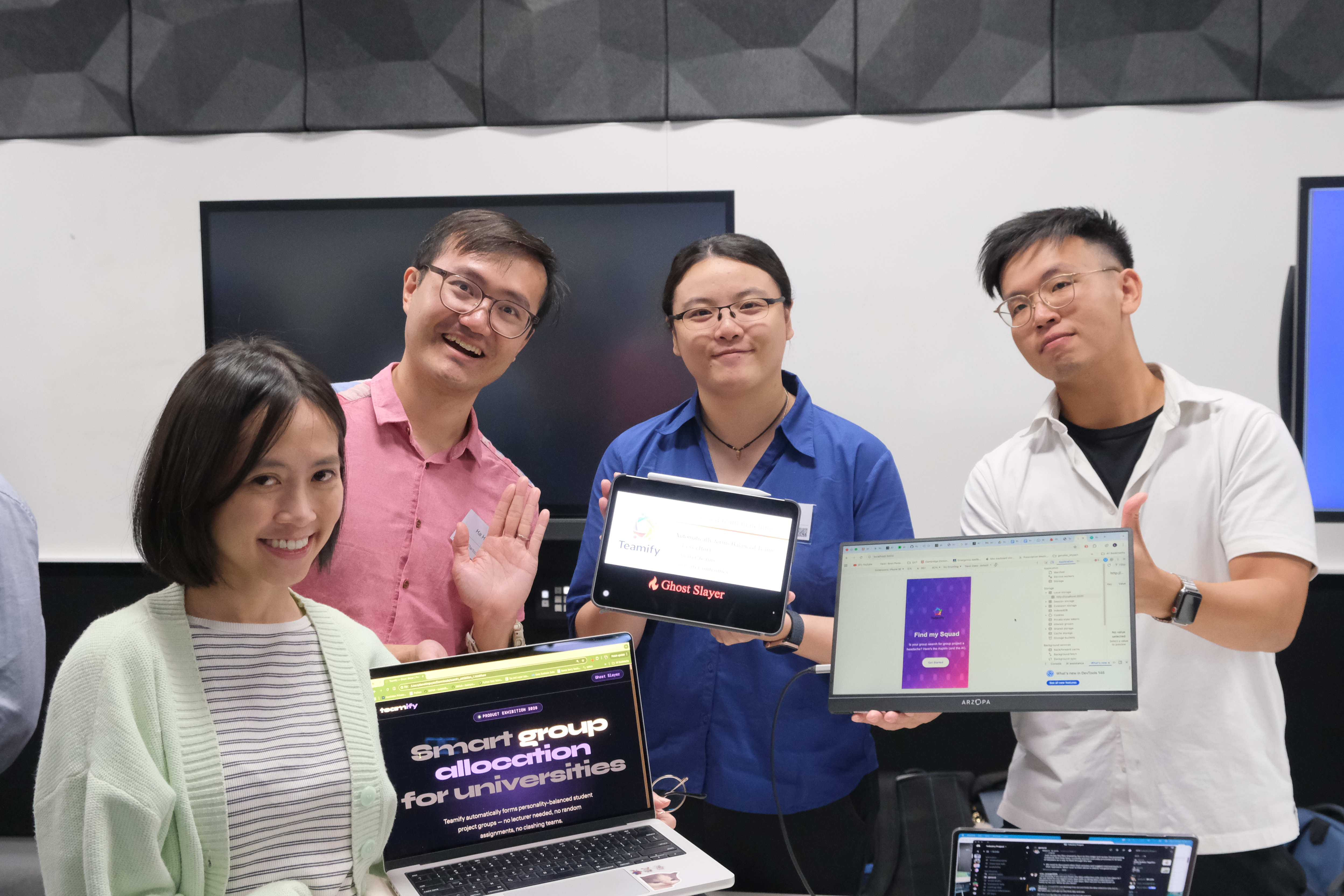
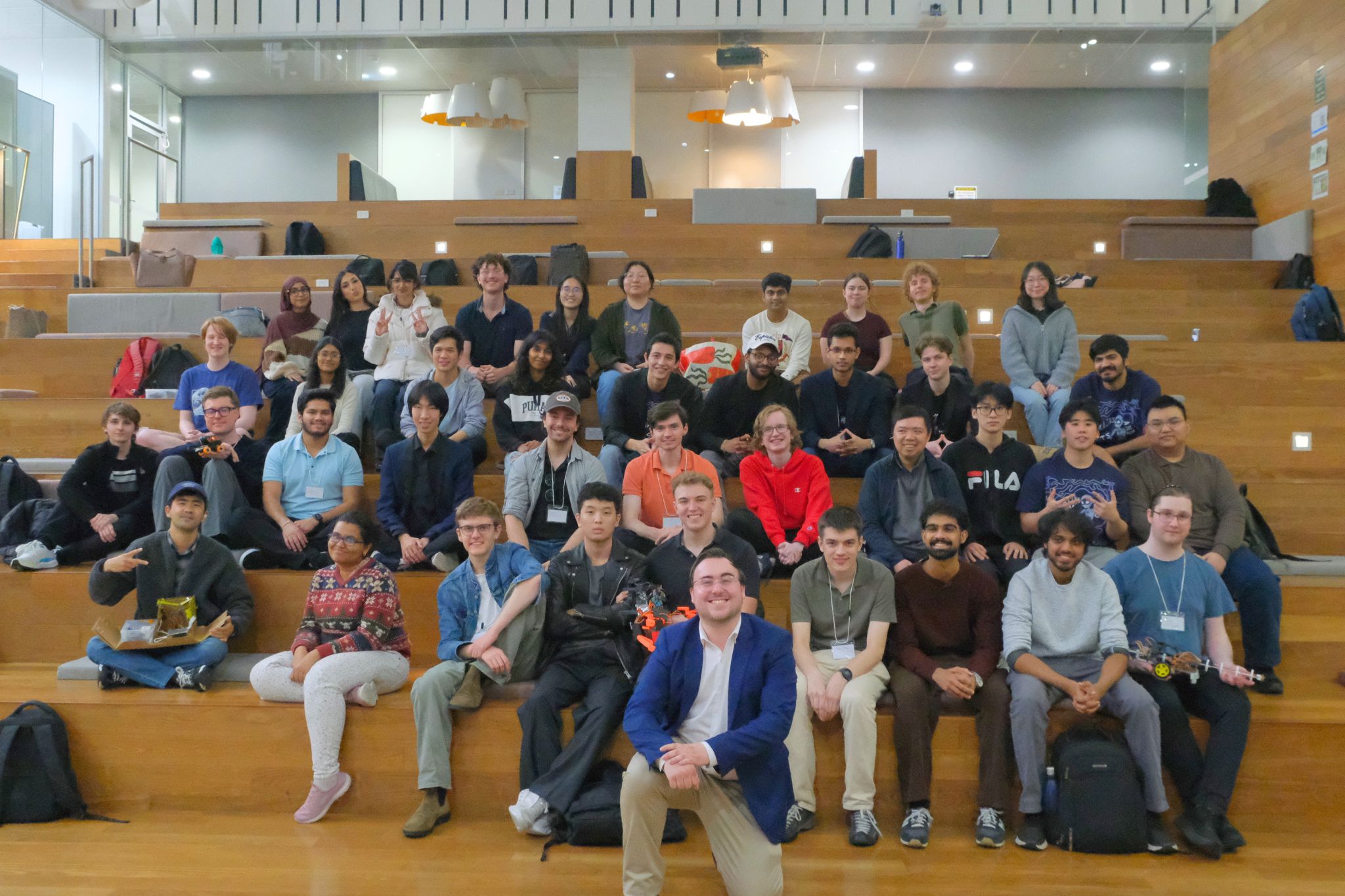
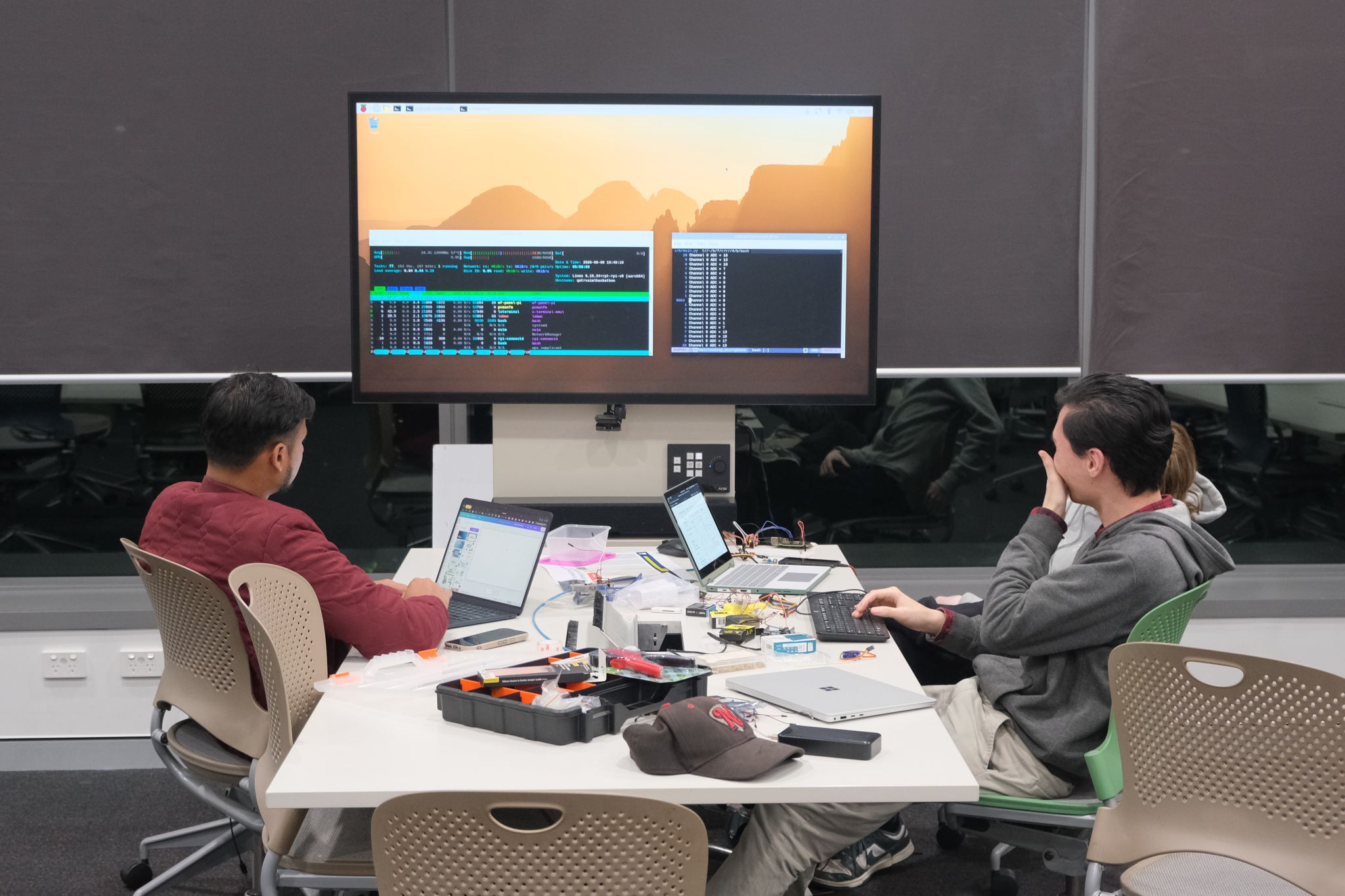
A look back at the teams, prototypes, pitches, and people behind both hackathons.
Website answers only